Which countries will the mccrafrica project focus on?
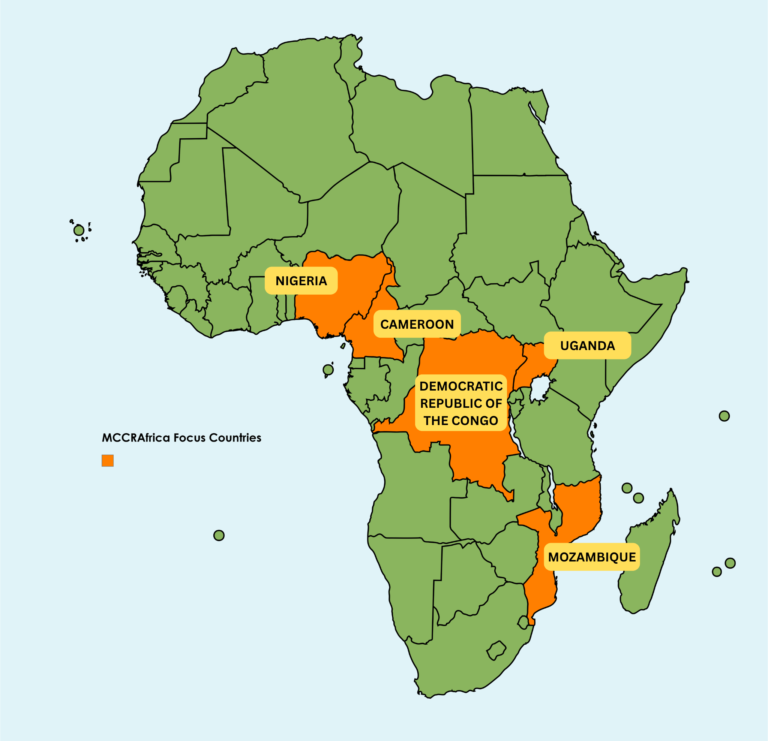
Our Five Focus Countries
We are focusing on five countries in Africa: Cameroon, Democratic Republic of the Congo (DRC), Mozambique, Nigeria and Cameroon. These are all countries with diverse peoples, linguistic practices and languages, and who have experienced or are experiencing conflict where the use of language is necessary for peacebuilding.
Within each country, we are conducting surveys and interviews to determine what living linguistic practices help or hinder peacebuilding. This allows us to document how people are using language to overcome conflict if at all, and what practices further exacerbate the issue.
Our research is intended for a much wider audience beyond our focus countries in Africa.
Cameroon
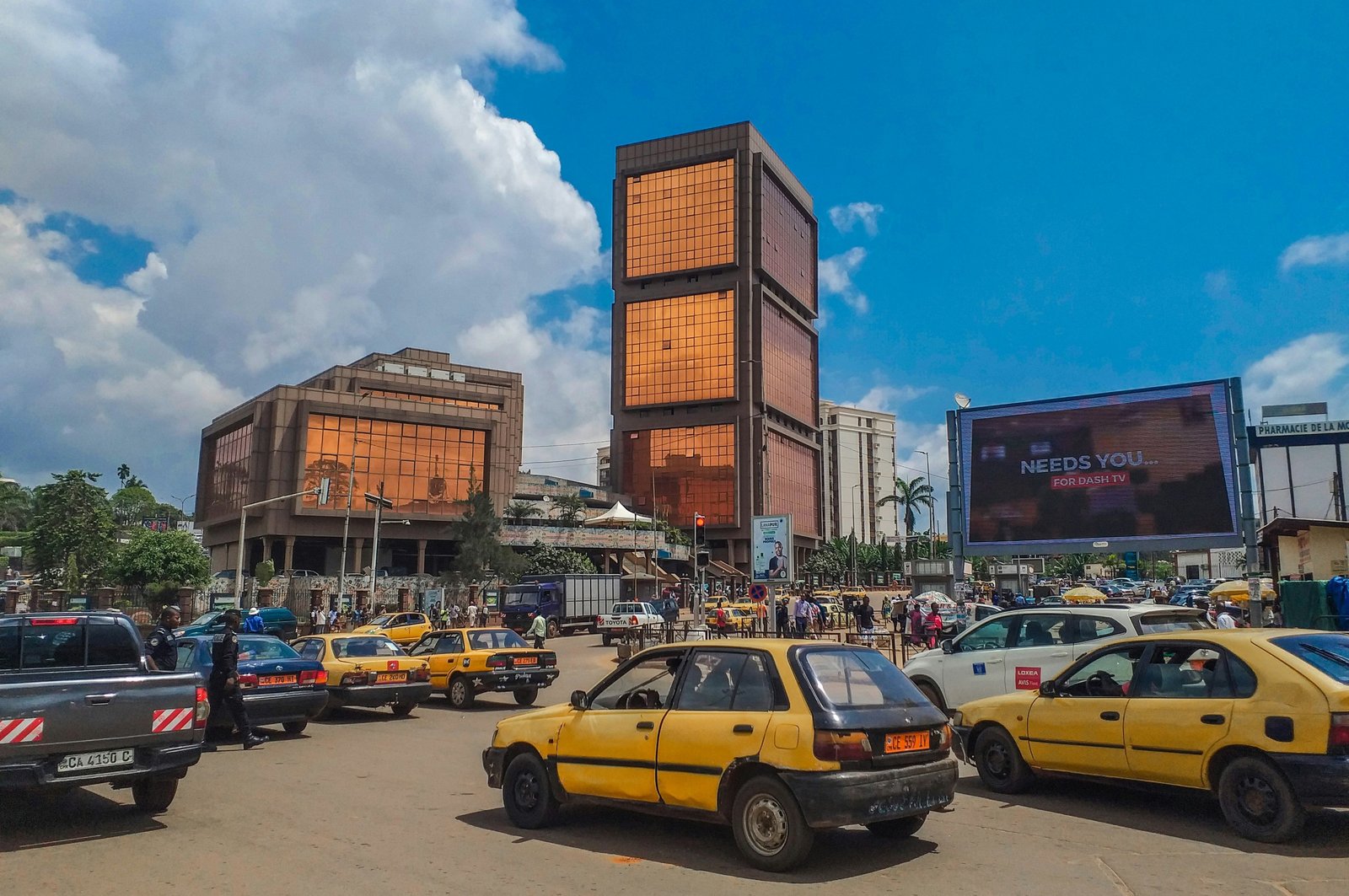
Cameroon is a Central African country with a population of around 28 million, known for its cultural and geographic diversity. The country has experienced political instability and conflict, particularly in its Anglophone regions, leading to internal displacement and refugee flows. Migration is shaped by both economic opportunities and security concerns, with movements to neighbouring countries and beyond.
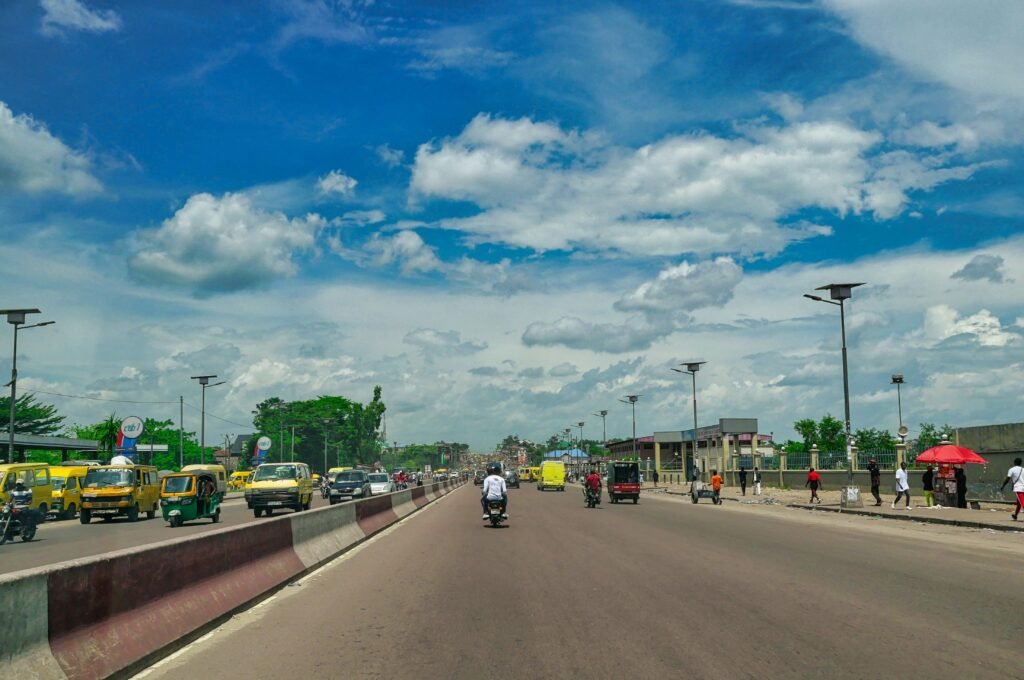
The Democratic Republic of the Congo (DRC) is a vast Central African country with a population exceeding 100 million. Despite its rich natural resources, decades of conflict, weak governance and poverty have led to one of the world’s largest displacement crises. Millions are internally displaced, and many Congolese refugees reside in neighbouring countries across the region.
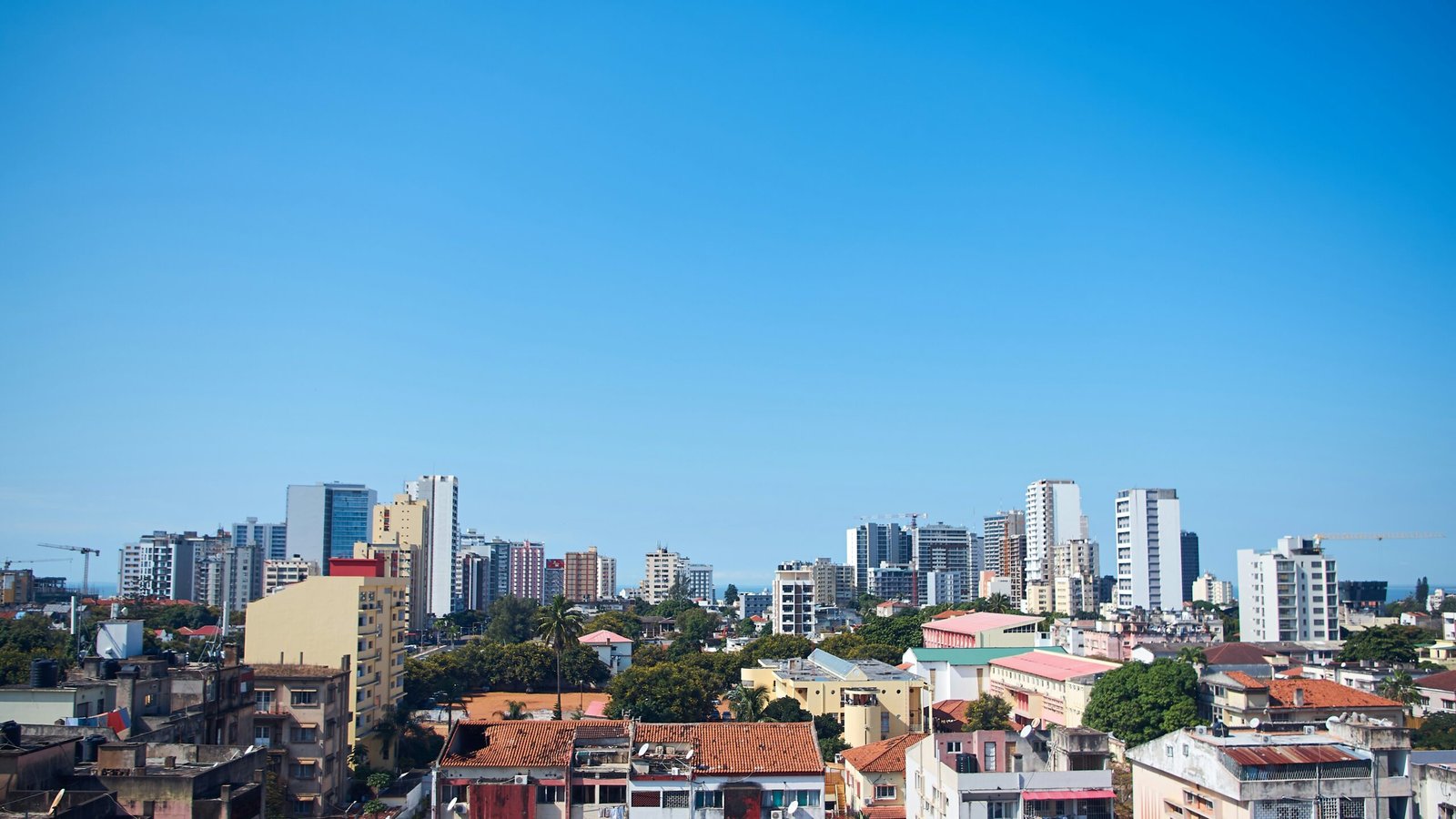
Mozambique is a southeastern African country with a population of around 35 million. It has significant natural resources and a growing economy, but continues to face high levels of poverty and inequality. Since 2017, an armed insurgency linked to Islamic State has caused prolonged conflict in the northern province of Cabo Delgado, with violence continuing despite government and regional military efforts. The conflict has displaced hundreds of thousands of people, while recent attacks and renewed insecurity have triggered further displacement. Climate-related disasters, including floods and cyclones, also contribute to internal displacement, shaping migration alongside economic and security concerns.
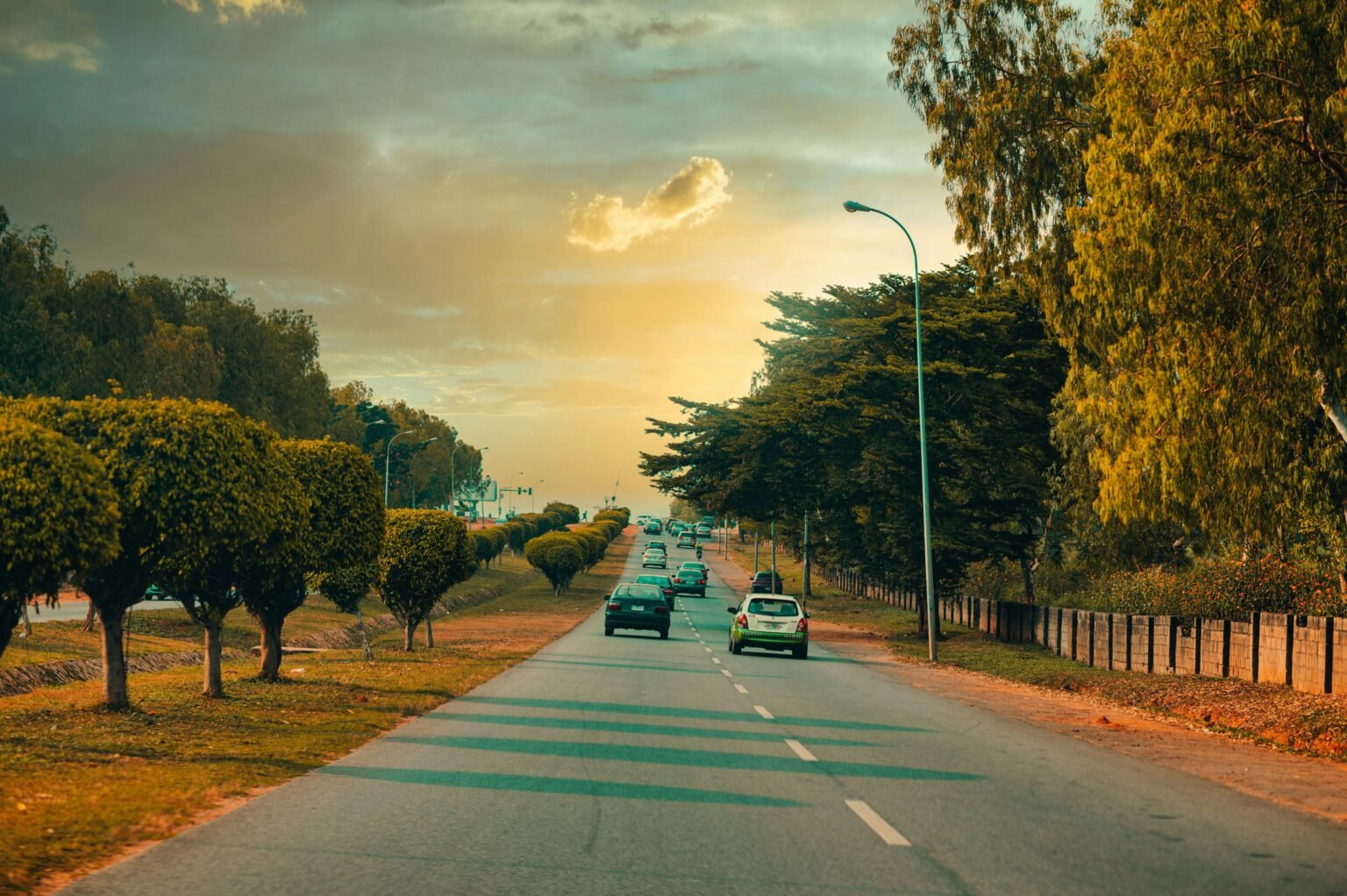
Nigeria is the most populous country in Africa, with over 220 million people, located in West Africa. It has a diverse economy driven by oil, agriculture and services, but also faces challenges including poverty, unemployment and insecurity. Internal displacement and regional migration are significant, with many Nigerians moving within West Africa and increasingly towards Europe in search of better opportunities.
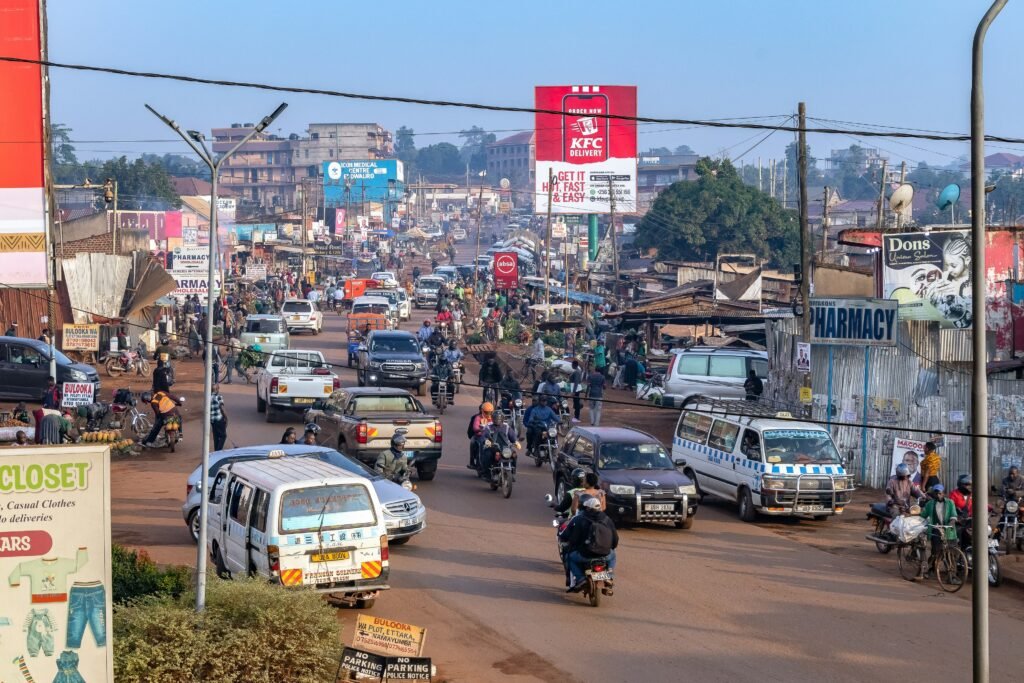
Uganda is an East African country with a population of about 50 million. It is known for its progressive refugee policies and hosts over a million refugees, mainly from neighbouring countries such as South Sudan and the DRC. While the country has experienced economic growth, poverty and youth unemployment remain key challenges, influencing both internal and external migration.
If you would like to get in touch with the project team, discuss our work, and collaborations, please get in touch with Dr Hannah Gibson h.gibson@essex.ac.uk and Dr Florian G. Kern fkern@essex.ac.uk