Our Research
Africa is one of the most conflict-affected regions in the world. In 2021, 18 of 49 states experienced active armed conflict, and in 2022 the region accounted for nearly half of global conflicts. Countries such as Cameroon, the Democratic Republic of the Congo (DRC), Mozambique, Nigeria and Uganda continue to face election violence, civil wars, and Islamist insurgencies. At the same time, Africa is the most linguistically diverse continent on earth, with over 2,100 indigenous languages more than a quarter of the world’s total.
For decades, researchers have linked armed conflict to ethnic and linguistic diversity. Language is often treated as a marker of group identity and division, something that fuels violence and complicates peacebuilding. But this view is incomplete. Most Africans are multilingual. In practice people regularly navigate multiple languages in daily life, shifting between them depending on context, identity, and social relationships.
Yet conflict research has largely ignored this reality. Instead, it relies on static measures of “language diversity” that overlook how multilingualism actually works in practice
This project is the first large-scale comparative study to examine how practised multilingualism shapes conflict and conflict resolution in Africa. We bring together UK- and Africa-based academic and non-academic partners to analyse lived multilingual realities in conflict settings. Our research combines qualitative and quantitative methods to generate both cross-country evidence and in-depth case studies.
As part of the research, we aim to generate meaningful impact, working closely with partners in-country to support community engagement and translate key insights for impact.
Our Five Key Objectives
Our work is guided by five objectives aligned with each area of our activity that advances our overarching ambition to generate new knowledge on how practised multilingualism shapes violent conflict, conflict resolution, and peacebuilding across Africa. By rethinking the relationship between language
and violence, this project aims to reshape how policymakers, researchers, and peacebuilders understand conflict in Africa. Multilingualism is not just a backdrop to conflict. It may be a key to understanding and resolving it.
Generate new insights on multilingualism and conflict
We analyse existing data to deepen understanding of how multilingual realities shape conflict dynamics and peace processes.
Explain why language use and policy matter in conflict
We develop theory informed arguments on how everyday language practices, language beliefs, and language policies can influence both the outbreak of conflict and efforts to resolve it.
Build a major new dataset on multilingualism in Africa
We produce a large, original dataset on multilingualism in Africa that is compatible with leading conflict datasets and can be used by researchers across disciplines.
Use diverse research methods to study multilingualism in practice
We produce a large, original dataset on multilingualism in Africa that is compatible with leading conflict datasets and can be used by researchers across disciplines.
Turn research into practical approaches for peace
Working with ODI Global and local partners, we develop and apply best practices on multilingualism to help prevent conflict, support conflict resolution, and reduce the risk of violence recurring.
MCCRAfrica Work Packages
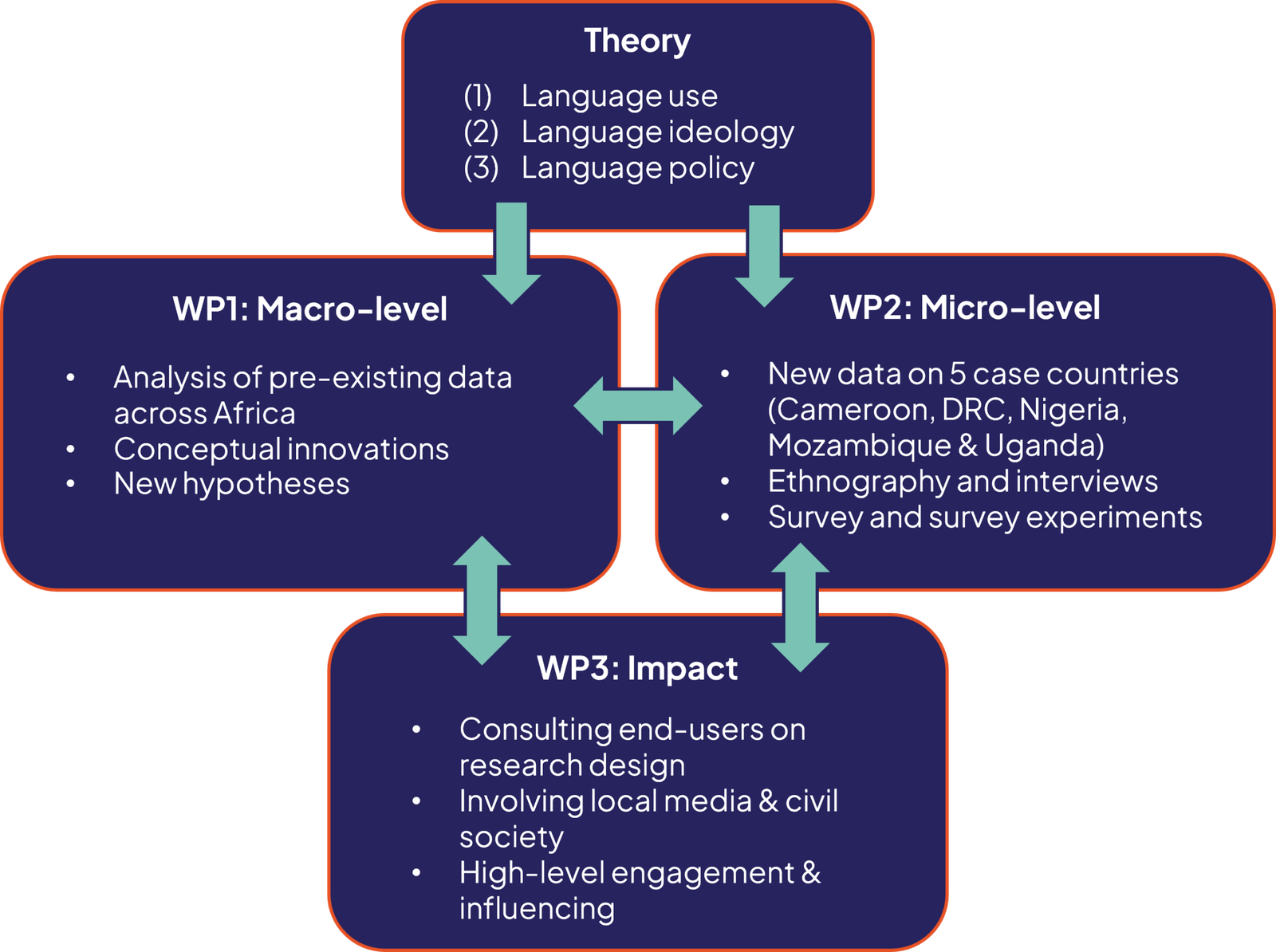
The main research question of this project is: How does the practice of multilingualism shape conflict and conflict resolution? We examine the effect of multilingualism on two outcomes: (1) conflict, and (2) conflict resolution. To address the main question, the project team works in three simultaneous work packages which run throughout the project.
Our Five Focus Countries
Cameroon
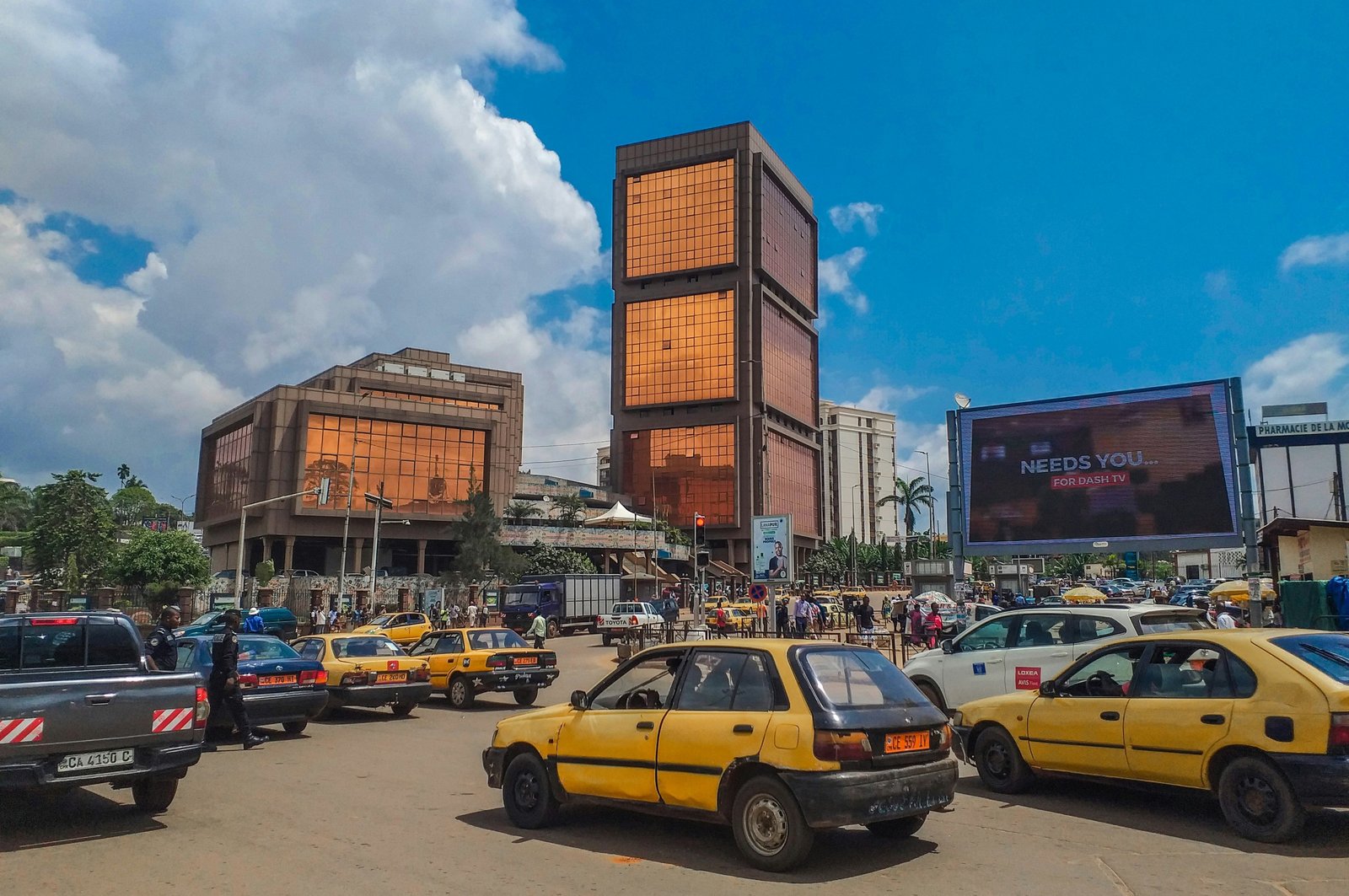
There are currently multiple overlapping security crises in Cameroon with the Anglophone Crisis – a post-colonial language conflict – being the most notable, claiming thousands of lives.
DRC
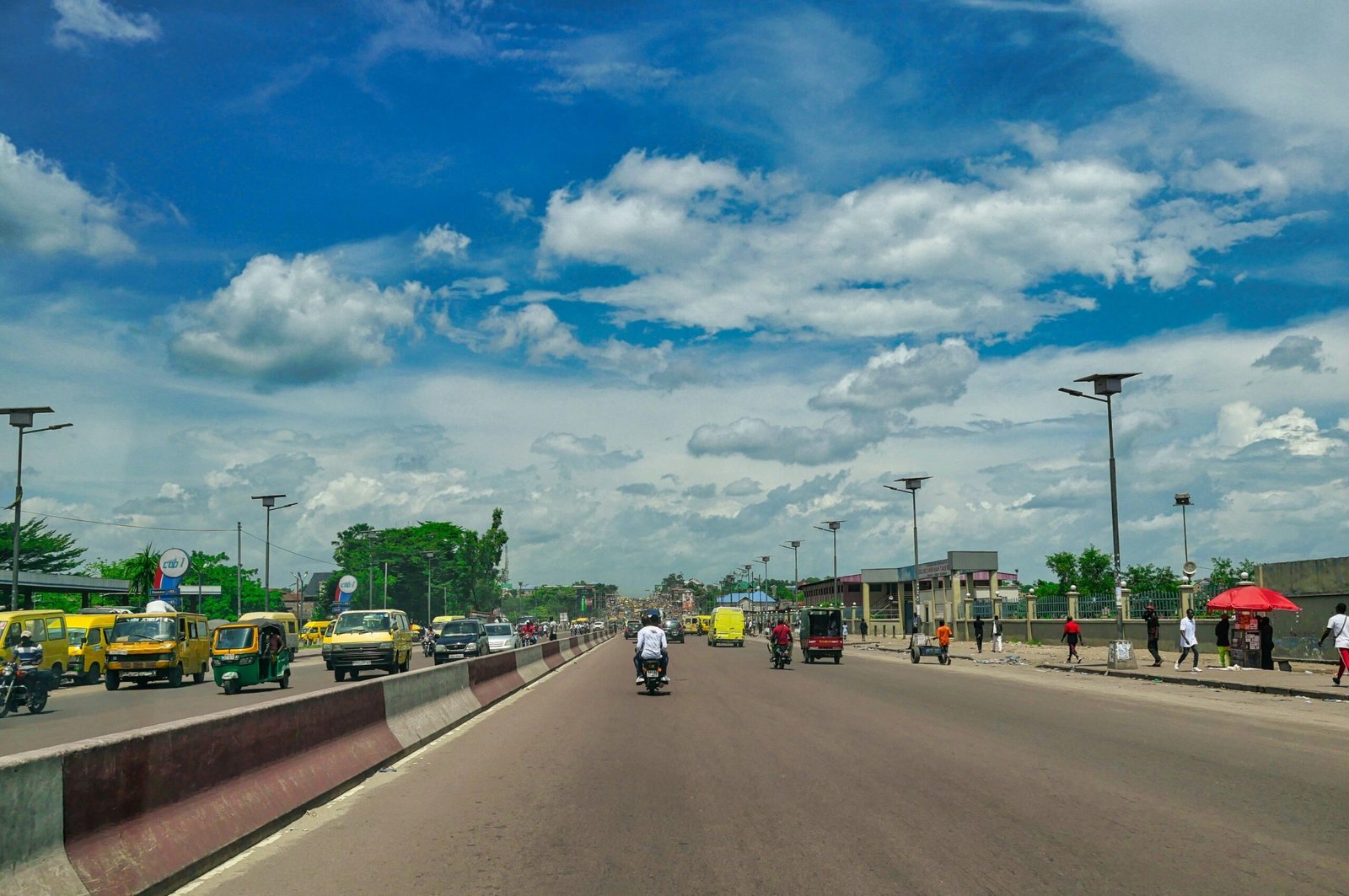
Millions have been killed and yet millions remain in humanitarian crisis due to protracted crises and conflict shaped by differing ideological views in the mineral rich eastern DRC.
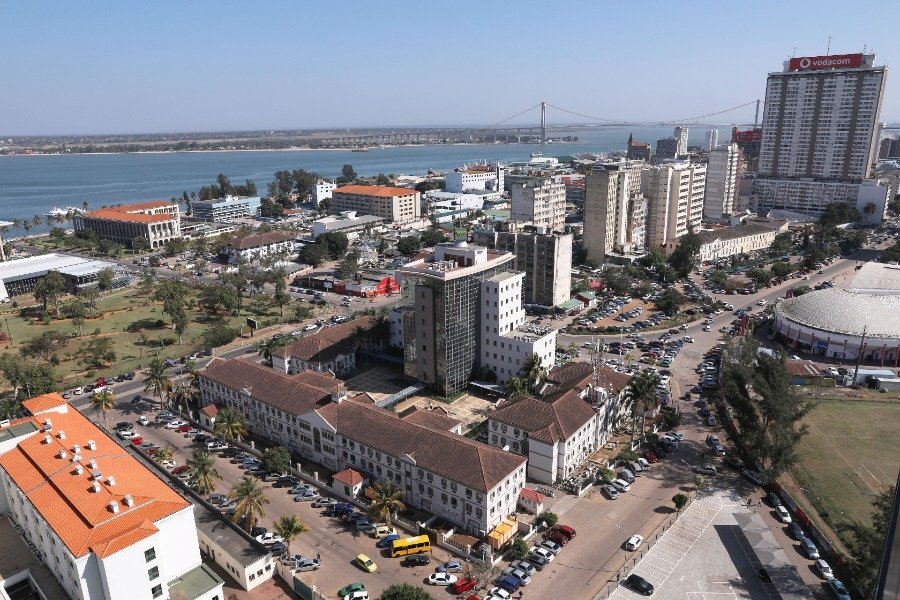
Mozambique
The salafi-jihadist insurgency known as Islamic State in Northern Mozambique has continued to expand killing hundreds and displacing hundreds of thousands.

Nigeria
There are multiple security crises in Nigeria, with Northern Nigerian communities continuing to suffer violence and terror from Islamist insurgency group Boko Haram.
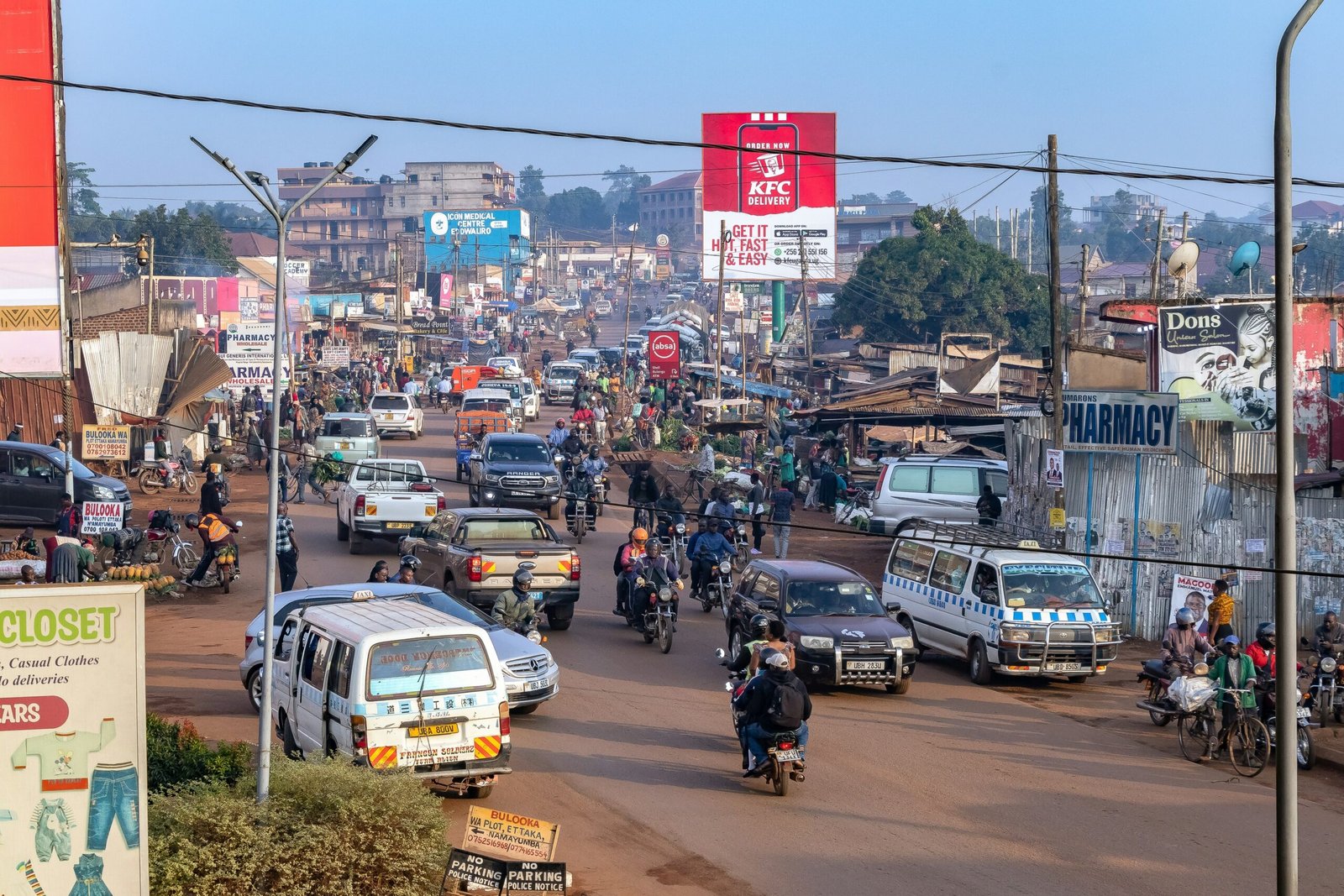
Uganda
Uganda continues to deal with legacies of past conflict, particularly in Northern and Western Uganda. The country continues to work towards recovery and peace.
Sign up to our newsletter
Stay up to date with the latest news, events, and insights from the MCCRAfrica project.

Get in touch with the MCCRAfrica team
If you would like to get in touch with the project team, discuss our work, and collaborations, please get in touch with Dr Hannah Gibson h.gibson@essex.ac.uk and Dr Florian G. Kern fkern@essex.ac.uk